23 Aug 2026
Tracing Reward Pathways in UK Mobile Slot Platforms Without Upfront Stakes

UK mobile slot platforms have developed intricate systems for distributing rewards that require no initial deposits, and observers note these mechanisms often rely on verification steps combined with algorithmic allocation models that track user engagement patterns over time. Data from industry reports indicates that participation in such ecosystems surged during the summer months of 2026 as more operators adjusted their onboarding processes to comply with evolving regional standards. Researchers at the University of Nevada Las Vegas International Gaming Institute have documented how these flows integrate with mobile-specific features like push notifications and session timers to maintain user retention without requiring cash commitments upfront.
Core Mechanics Behind Zero-Stake Reward Allocation
Operators structure these rewards through a series of conditional triggers that activate once players complete profile verification or link a payment method, even when no funds move initially. The process typically begins with account creation followed by automated checks against national databases, after which the system releases credits or spins into the user's balance. Studies show that these credits carry wagering multipliers ranging from 20x to 50x, and the funds convert to withdrawable amounts only after users meet those thresholds through gameplay on designated titles. What's interesting is how mobile ecosystems layer additional conditions such as daily login streaks or minimum spin counts that extend the reward lifecycle across multiple sessions.
Platform algorithms monitor device data and location signals to ensure compliance with UK-specific licensing rules while preventing duplicate claims from the same household. Evidence suggests that reward values often start small, around £5 to £20 in equivalent play credits, yet they scale based on continued activity and loyalty metrics tracked within the app. One study revealed that users who engage with tutorial modes or demo versions before claiming rewards demonstrate higher conversion rates to active accounts later on.
Integration of Mobile Technology and User Tracking
Mobile applications leverage device sensors and app permissions to refine reward distribution, creating pathways that feel responsive to individual play styles. Push alerts notify users when new incentives become available, and these notifications often tie into time-limited events that peak during evenings or weekends. According to figures from the Australian Gambling Research Centre, similar location-based personalization techniques have increased session durations by up to 18 percent in comparable markets. In the UK context, developers incorporate biometric login options to streamline access, reducing friction while maintaining security layers that protect against automated abuse.
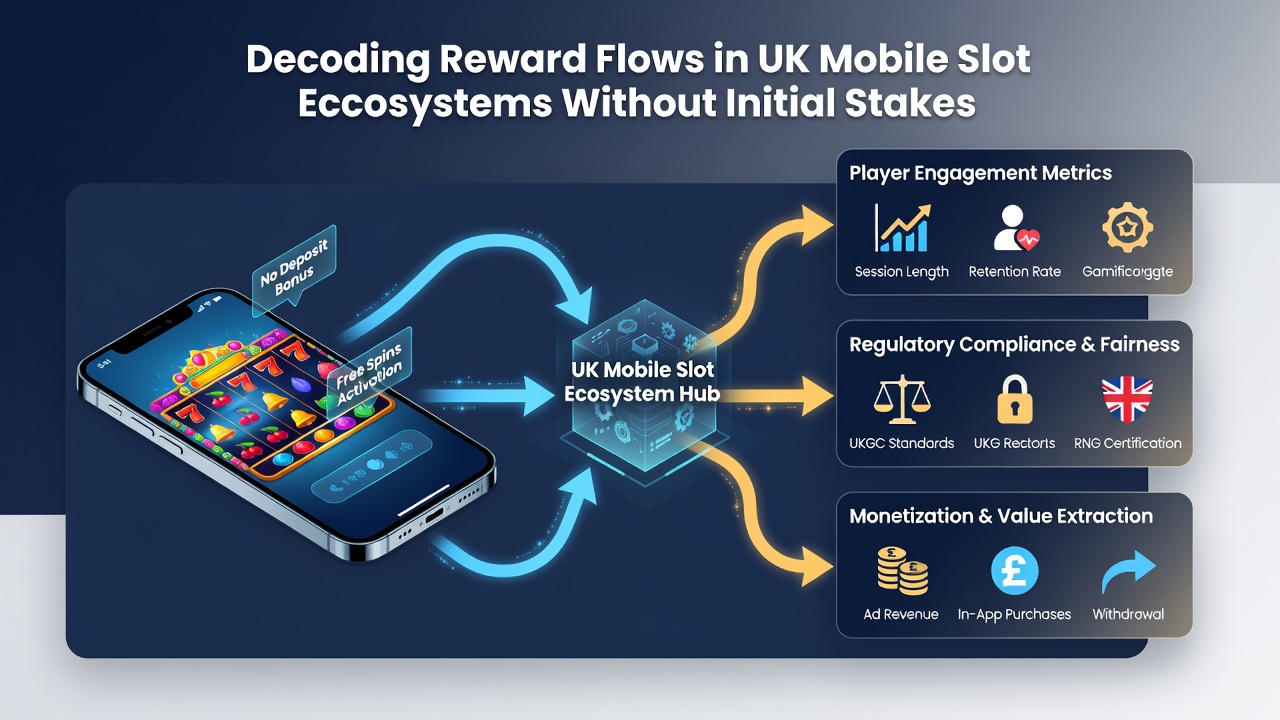
Backend systems log every interaction, from spin results to menu navigation, feeding this information into predictive models that forecast optimal reward timing. Observers note that such data-driven approaches help operators balance player satisfaction against operational costs, especially when rewards must remain sustainable without direct revenue from the initial interaction. During August 2026, several platforms introduced enhanced analytics dashboards for users themselves, allowing individuals to view their own reward history and projected next incentives in real time.
Regional Regulatory Influences on Reward Structures
UK frameworks intersect with broader European and North American standards, prompting operators to adopt transparent disclosure practices around terms attached to no-deposit rewards. Canadian provincial regulators, for instance, have published guidelines on similar bonus mechanics that emphasize clear expiration dates and playthrough requirements, and some UK platforms have voluntarily aligned parts of their policies with these benchmarks. Industry associations such as the Remote Gambling Association publish periodic updates on best practices that influence how mobile flows operate without initial stakes. These alignments help reduce disputes and build trust among participants who expect consistent treatment across different jurisdictions.
Take one operator that adjusted its reward release schedule after reviewing cross-border compliance reports, resulting in fewer user complaints and steadier engagement metrics. The reality is that these adjustments often involve collaboration with third-party auditors who verify that random number generators and allocation systems function as described in the terms presented to players.
Future Patterns Emerging in Mobile Slot Ecosystems
Analysts project continued refinement of reward pathways as artificial intelligence tools become more embedded in mobile gaming infrastructure. These tools can adjust offer values dynamically based on real-time user behavior while staying within regulatory caps. Data indicates that platforms experimenting with social features, such as shared reward milestones among friends, see elevated participation rates without additional marketing spend. Yet the core remains tied to verification and engagement loops that prevent rapid cycling of accounts.
Conclusion
Reward flows in UK mobile slot environments that operate without initial stakes represent a sophisticated blend of technology, regulatory awareness, and user psychology, with ongoing developments tracked through academic and industry sources worldwide. As platforms evolve, the emphasis stays on measurable outcomes like retention rates and compliance records rather than subjective appeal. Those who study these systems continue to map how small incentives scale into sustained activity across the mobile landscape.