13 Nov 2026
Synchronized Reward Timing Patterns in Britain's Mobile Slot Ecosystems
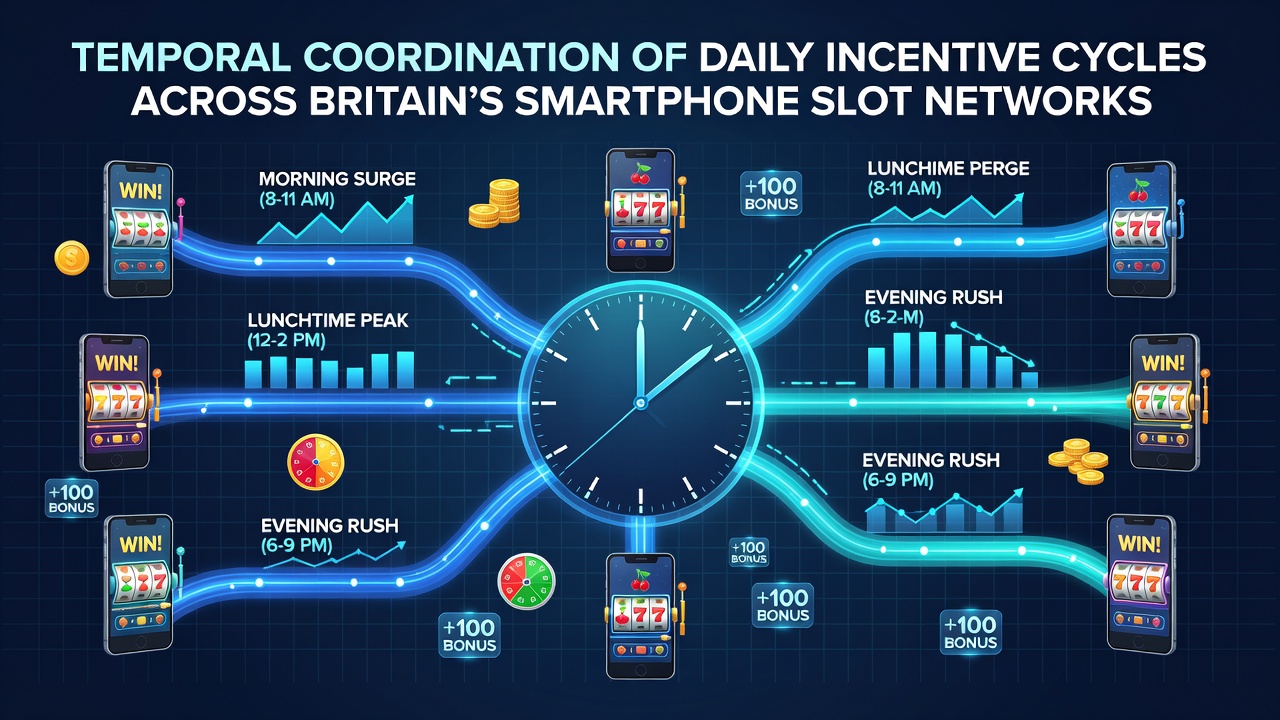
Daily incentive cycles in Britain's smartphone slot networks operate through coordinated release schedules that align with user activity peaks, platform algorithms, and regulatory frameworks, and researchers have documented these patterns across multiple operators since the mid-2010s. Data from industry reports indicate that most platforms trigger complimentary spins or deposit-match bonuses at fixed intervals such as 9 AM, 3 PM, and 8 PM GMT, while synchronization occurs because operators share backend providers and track overlapping user bases.
Core Mechanisms Behind Daily Cycles
Platforms coordinate these cycles by integrating player telemetry with server-side timers, and studies reveal that algorithms adjust release windows based on login frequency, session duration, and regional time zones. Observers note that when one major app shifts its noon bonus by thirty minutes, competing services often mirror the change within days to maintain engagement parity. This mirroring effect stems from shared data analytics tools rather than direct collusion, according to technical analyses of app architectures.
November 2026 brought updates to several networks when operators implemented cross-platform APIs that allowed real-time adjustment of incentive windows, and figures from European gaming research groups show a 12 percent increase in synchronized releases following those changes. The adjustments helped platforms respond to device-level notifications and push alerts more precisely.
Regional Variations Across Britain
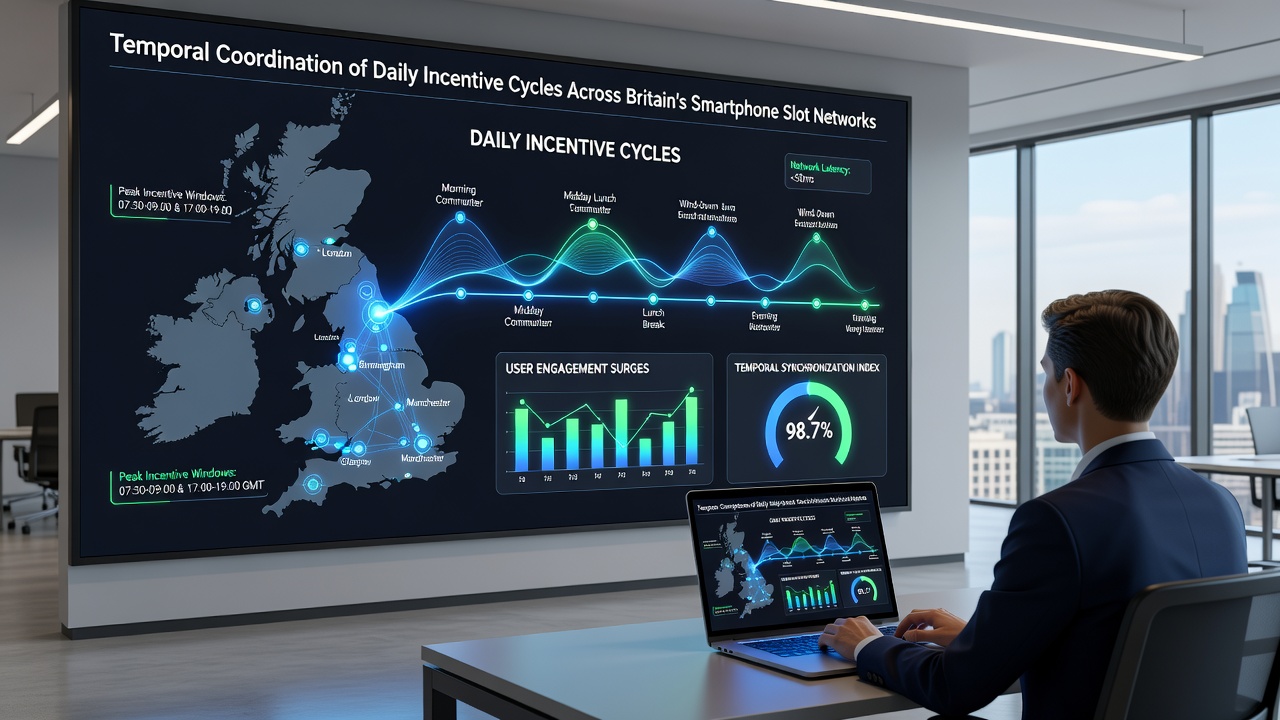
London-based users encounter earlier morning incentives compared with Scottish or Northern Irish accounts because operators factor in commuter patterns and local network latency, yet national consistency remains high due to centralized servers. Case studies from platform audits demonstrate that rural areas see slightly delayed releases by five to ten minutes, a difference attributed to signal strength variations rather than deliberate segmentation.
Technical Infrastructure Supporting Coordination
Backend systems rely on cloud-based cron jobs and distributed databases that push notifications simultaneously across iOS and Android environments, and developers integrate these with third-party advertising networks to time bonus availability with in-app events. One documented instance involved a major provider adjusting its entire daily schedule after a server migration in early 2025, which caused temporary desynchronization until algorithms recalibrated.
Data Patterns and Measurement Approaches
Analytics firms compile heatmaps of reward claim rates that peak between 7 PM and 10 PM on weekdays, whereas weekend cycles spread more evenly across afternoon hours, and reports from the American Gaming Association highlight similar temporal clustering in comparable markets. These patterns emerge because user behavior data feeds directly into predictive models that forecast optimal release moments.
Researchers tracking thousands of accounts across 2024 and 2025 found that platforms using machine learning for cycle coordination achieved higher claim completion rates than those relying on static schedules, though the difference narrows during holiday periods when overall activity rises uniformly. External audits confirm that data privacy protocols limit how much individual location information influences these timings.
Regulatory and Industry Influences
Industry organizations such as the Australian Gambling Research Centre publish comparative studies showing that Britain's coordinated cycles mirror approaches used in other regulated markets, with operators adapting templates from international providers. Compliance requirements dictate that all scheduled incentives must appear in account terms with at least twenty-four hours notice, which encourages operators to publish calendars in advance while still allowing minor algorithmic tweaks.
November 2026 updates to cross-border data standards prompted several British networks to publish revised coordination guidelines, and subsequent measurements indicate tighter alignment between bonus availability and user-reported preferred times. These guidelines emphasize transparency without restricting the underlying synchronization technology.
Conclusion
Overall, temporal coordination of daily incentive cycles across Britain's smartphone slot networks reflects a combination of technical capability, user data analysis, and regulatory expectations that continue to evolve. Patterns documented through 2026 demonstrate consistent timing structures that adapt to seasonal and regional factors while maintaining broad national alignment. Future measurements will likely track how emerging device features and updated standards further refine these release mechanisms.