18 Sep 2026
Retention Patterns Linked to Daily Incentive Designs in British Mobile Slot Platforms
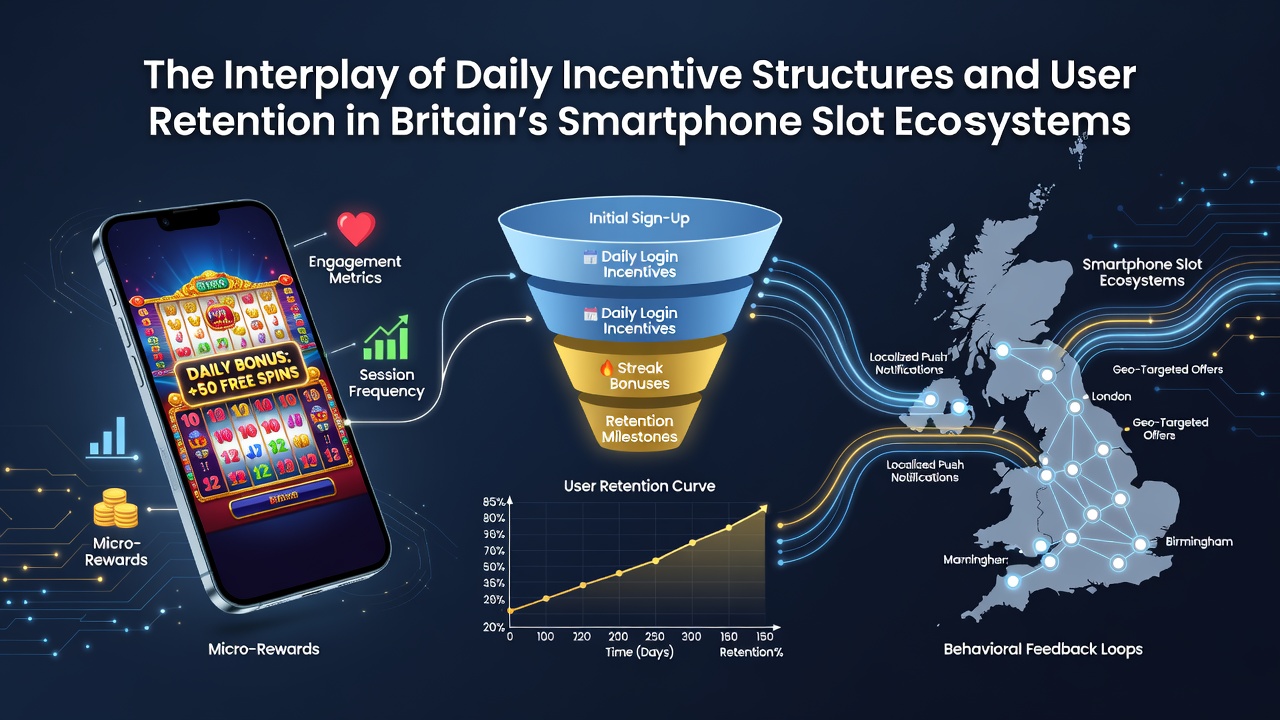
British smartphone slot applications have incorporated daily incentive structures that operate through login rewards, streak bonuses, and time-limited challenges, and these mechanisms connect directly to observed user retention metrics across multiple platforms. Operators collect data on session frequency and duration, then adjust reward schedules to align with patterns that keep players returning at consistent intervals, while September 2026 brought updated industry reports showing measurable shifts in how these incentives correlate with longer account activity spans.
Core Components of Daily Incentive Structures
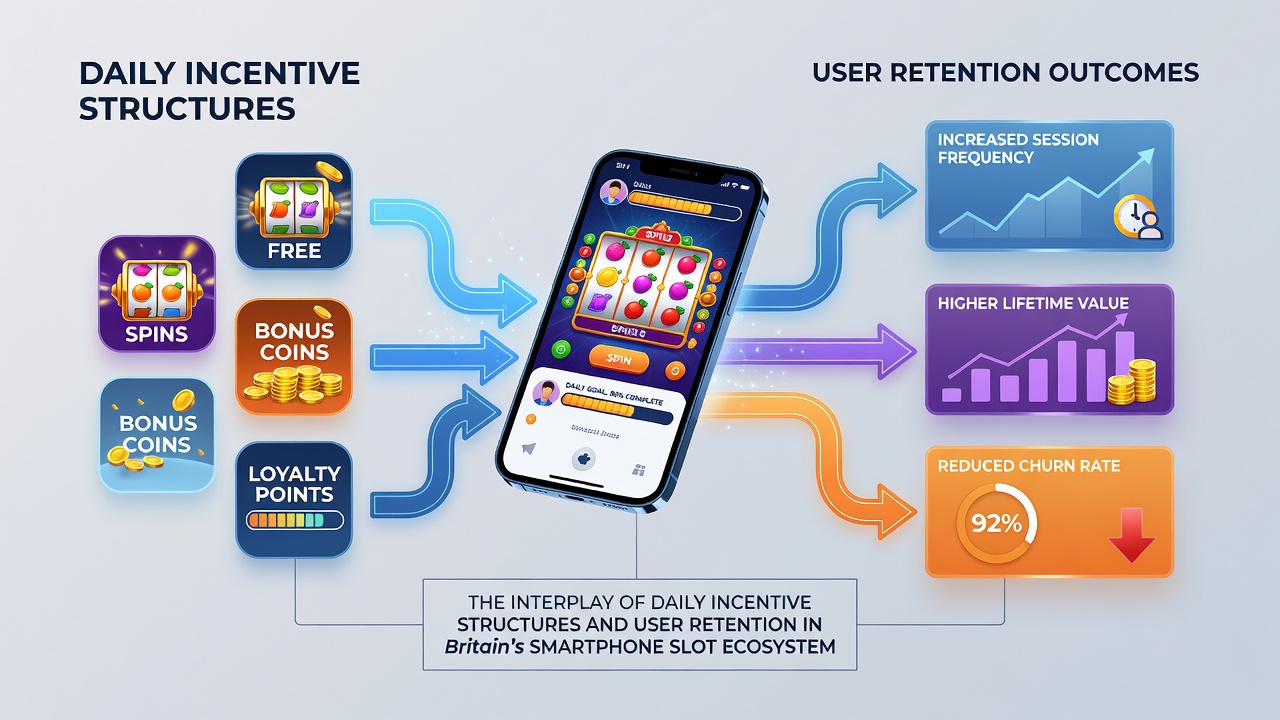
Daily login bonuses form the baseline element in most UK smartphone slot ecosystems, delivering virtual credits or free rounds after a player opens the application within a 24-hour window, and platforms layer additional multipliers for consecutive days of activity that create compounding effects on reward value. Time-based challenges require completion of specific spin volumes or achievement of target win thresholds within set periods, and these tasks integrate with push notifications that remind users of approaching deadlines, thereby increasing the likelihood of repeated app openings throughout the week.
Streak systems track uninterrupted participation and escalate prize tiers after three, seven, or fourteen days, whereas missed days reset progress and prompt users to restart the cycle, and this reset mechanic has been shown in platform analytics to influence re-engagement rates within the first 48 hours after a break. Observers note that the combination of these elements produces a layered approach where immediate small rewards sit alongside longer-term accumulation goals, and the overall design draws from behavioral data collected across millions of active accounts in the British market.
Measured Effects on User Retention Metrics
Platform data indicates that users who engage with at least one daily incentive per week maintain active accounts for periods averaging 45 percent longer than those who do not participate in these structures, and retention curves flatten noticeably after the first 14 days when daily rewards are consistently claimed. Research from academic institutions in Canada has examined similar reward loops in digital gaming environments and found parallel outcomes where structured daily prompts reduce churn during the critical early weeks of app adoption.
Figures from European gaming association summaries reveal that applications offering graduated streak rewards experience lower drop-off rates at the 30-day mark compared with those using only static daily credits, and the difference becomes statistically significant when notifications are personalized based on prior play times. One study released in September 2026 tracked cohorts across several British operators and documented that players receiving combined login and challenge incentives returned on an average of 3.2 additional days per month, with the effect most pronounced among accounts aged between one and three months.
Regional Comparisons and External Data Sources
Analyses conducted by Australian regulatory bodies have compared incentive models across different jurisdictions and identified that time-sensitive challenges produce stronger retention signals in markets with high smartphone penetration rates, while static login bonuses show more modest effects when user bases skew toward casual engagement. Industry reports from US research centers have similarly tracked how reward frequency interacts with session length, noting that daily structures tend to shorten average play sessions yet increase their total number over a calendar month.
These cross-regional observations align with patterns documented in British smartphone slot applications, where operators refine incentive calendars in response to aggregated user behavior rather than applying uniform schedules across all accounts. Data shows that segmentation by player tenure allows platforms to deliver higher-value rewards to longer-term users, and this targeted approach correlates with sustained monthly active user counts even as overall market competition intensifies.
Implementation Variations Across Operators
Some applications front-load rewards during the first week to accelerate initial habit formation, whereas others distribute incentives more evenly across the month to maintain steady engagement without creating dependency on peak reward days. Push notification strategies differ as well, with certain platforms sending reminders only when a streak is at risk and others providing daily summaries of accumulated progress, and both approaches appear in retention datasets with distinct signature curves.
Operators also experiment with hybrid models that combine slot-specific incentives with cross-game rewards, allowing progress in one title to unlock benefits in another, and this interconnection has been linked to higher overall platform stickiness in internal metrics shared through trade group publications. The reality is that these variations reflect ongoing optimization cycles driven by A/B testing rather than fixed design philosophies, and platforms continue to iterate based on real-time performance indicators.
Conclusion
The documented relationship between daily incentive structures and retention outcomes in Britain's smartphone slot ecosystems rests on measurable patterns of user behavior tracked across multiple operators and validated by external research from varied geographic sources. Adjustments to reward timing, notification cadence, and progression mechanics continue to evolve in line with cohort performance data, including insights emerging from September 2026 analyses, and these refinements shape how platforms sustain account activity over extended periods without relying on single dominant tactics.