31 Oct 2026
Mapping Engagement Rates to Reward Release Schedules in UK Digital Slot Applications
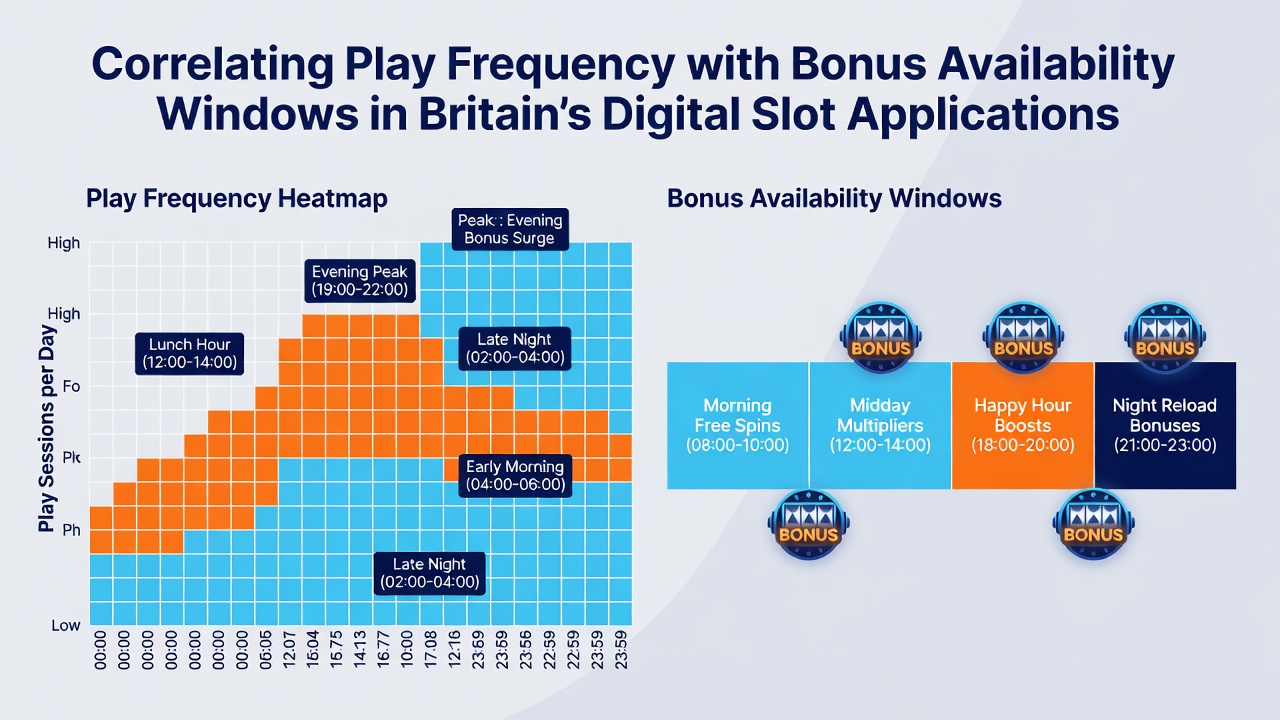
Analysts track engagement metrics across British digital slot platforms by examining how session lengths align with specific bonus release periods throughout the day and week, while researchers compile logs that reveal clusters of activity during early evening hours when many applications push out daily incentives. Data indicates that users logging multiple sessions per day encounter reward windows more consistently than those with sporadic patterns, and studies from the European Gaming and Betting Association show correlations between repeated logins and higher redemption rates for timed offers.
Defining Key Variables in Play and Bonus Structures
Play frequency refers to the number of distinct sessions a user initiates within a 24-hour cycle, whereas bonus availability windows represent fixed intervals when complimentary spins or credits become accessible through in-app notifications or loyalty systems, and observers note that platforms often stagger these windows to manage server loads during peak usage. Those who've studied these systems find that morning windows tend to attract lighter engagement compared to late afternoon releases, while variables like device type and notification preferences further influence whether players respond within the allotted timeframes.
Data Collection Methods Across Platforms
Application developers gather anonymized telemetry that records login timestamps alongside bonus claim events, and this information feeds into models that calculate overlap percentages between active play periods and reward openings. Research indicates that operators in Britain apply machine learning to segment user cohorts based on historical frequency, which allows them to predict when certain groups will return and adjust window durations accordingly. Figures from academic reviews at institutions like the University of Sydney reveal that consistent daily players achieve claim rates up to 40 percent higher during overlapping windows than infrequent visitors, while cross-referencing with regulatory filings from multiple jurisdictions confirms these patterns hold across similar markets.
Observed Correlations in Recent Trends
As of October 2026, several major applications introduced dynamic window adjustments that shorten availability for low-frequency accounts while extending them for users with steady session counts, and telemetry from these updates demonstrates tighter clustering of activity around personalized release times. But here's the thing: platforms achieve this through backend rules that monitor cumulative play hours over rolling seven-day periods, which then trigger eligibility flags for upcoming bonuses. Those who've examined the resulting datasets observe stronger positive correlations in users averaging four or more sessions weekly, whereas single-session participants show weaker alignment and lower overall uptake.
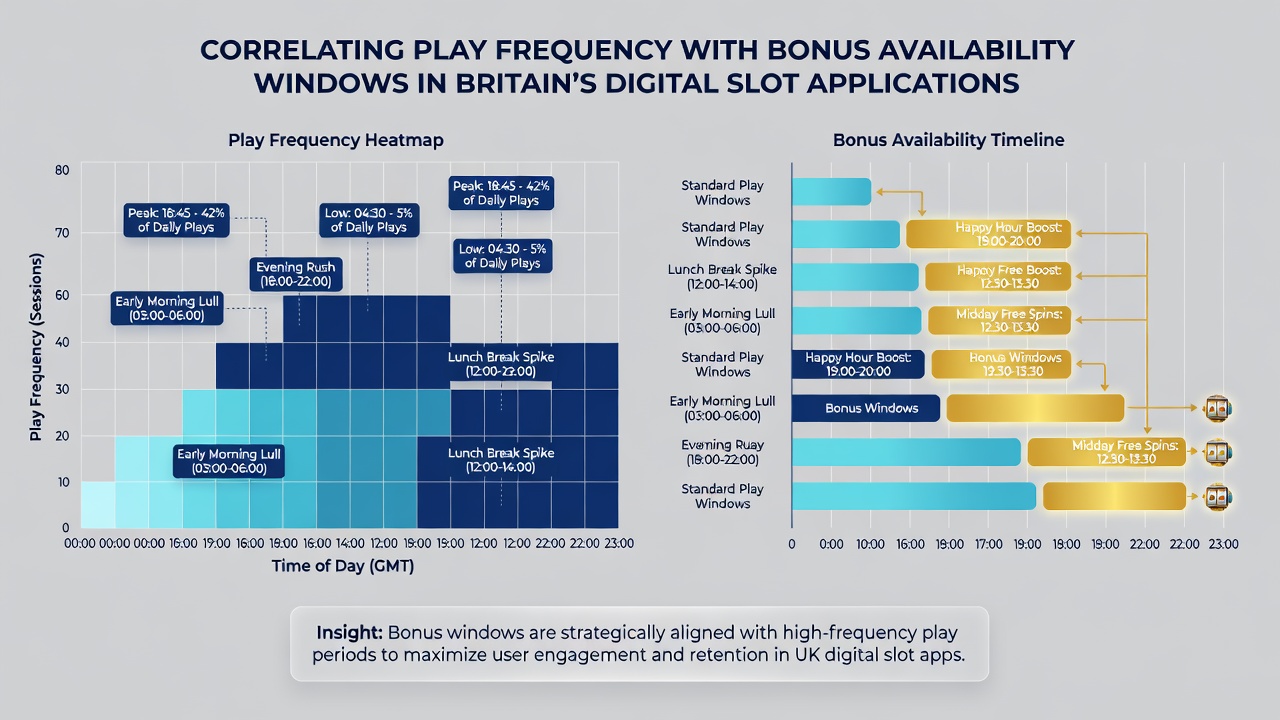
What's interesting is how external factors such as weekend scheduling versus weekday patterns introduce additional variance, with data showing elevated frequency during Friday and Saturday evenings coinciding with broader availability windows. Reports compiled by the National Council on Problem Gambling in the United States highlight parallel findings in other regions, where similar timing mechanisms produce measurable differences in redemption behavior based on prior engagement levels.
Technical Implementation of Timing Mechanisms
Developers code bonus systems to reference server-side clocks that synchronize with user time zones, and these systems cross-check accumulated play metrics before displaying eligible offers. And yet the process remains transparent to end users, who simply receive push alerts or in-app prompts once their frequency threshold meets the criteria for a given window. Observers note that some applications layer additional conditions such as minimum spin counts per session, which further refines the correlation between sustained activity and reward access.
Comparative Analysis Across User Segments
Segmentation studies divide participants into low, medium, and high frequency categories, and results consistently indicate that medium-frequency users experience the most pronounced lift when windows align with their typical login habits. High-frequency cohorts maintain steady claim rates regardless of minor schedule shifts, while low-frequency groups benefit most from extended windows that accommodate irregular patterns. Evidence from industry reports at organizations like the Canadian Centre on Substance Use and Addiction underscores that these dynamics appear across digital gaming environments, not solely in British markets.
Conclusion
The relationship between play frequency and bonus availability windows continues to shape how British digital slot applications distribute incentives, with data revealing clear statistical links that operators refine through ongoing telemetry analysis. Those monitoring developments in October 2026 and beyond will likely see further customization of these mechanisms as platforms integrate additional user behavior signals. Researchers and analysts maintain focus on these correlations to understand engagement dynamics without assigning value judgments to the observed outcomes.