25 Aug 2026
Decoding Allocation Patterns for Rewards in British Smartphone Slot Games
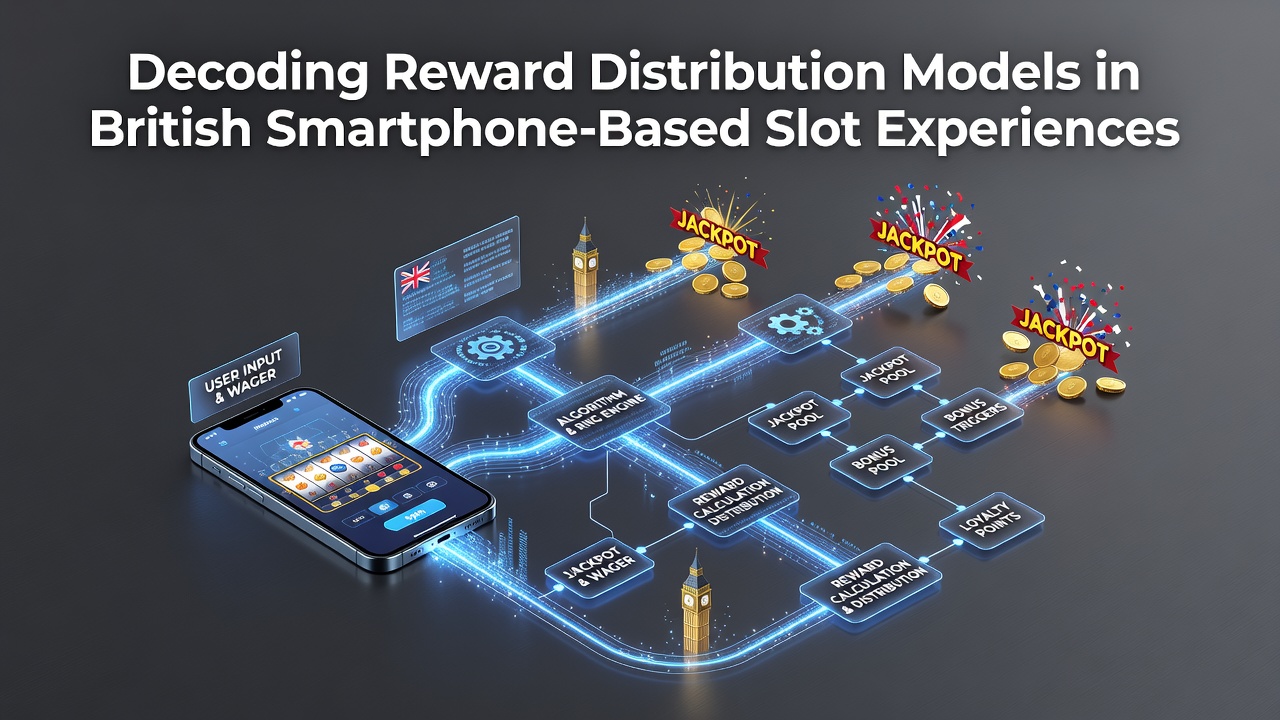
Smartphone-based slot games in Britain rely on structured systems that determine how rewards reach players through algorithms and platform rules. These models track player activity across sessions and allocate returns according to predefined percentages that operators set in advance. Data from regulatory filings shows that return-to-player rates typically range between 92 and 98 percent depending on the game provider and license conditions. Operators integrate these figures directly into mobile applications so that every spin contributes to cumulative statistics that update in real time. Observers note that developers adjust volatility settings to balance frequent small rewards against occasional larger ones while maintaining compliance with regional standards.
Core Components of Distribution Frameworks
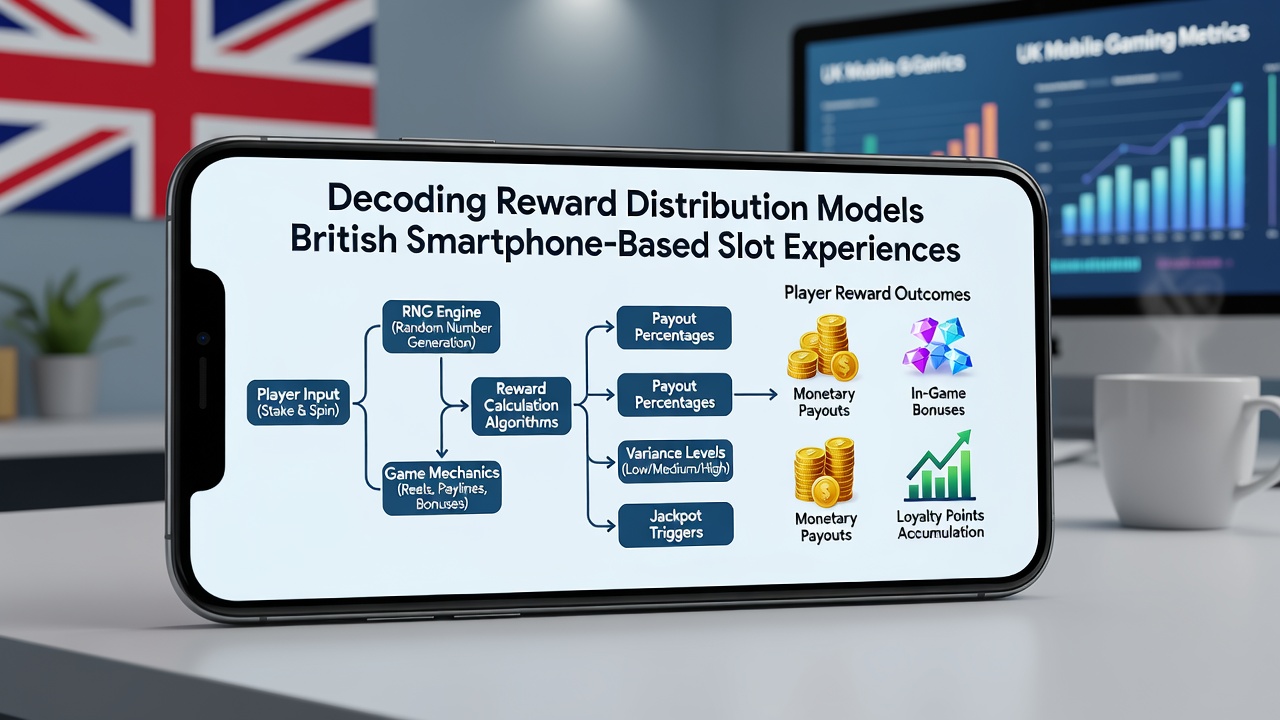
Reward systems break down into several layers that include base game returns, progressive jackpots, and loyalty multipliers. Base returns cover the standard payout cycle while progressive elements pool contributions across multiple titles and devices. Loyalty multipliers activate after players reach certain thresholds measured in total spins or deposit volume. Research indicates that mobile platforms in Britain favor instant crediting of smaller rewards to encourage continued sessions whereas larger allocations often require verification steps that occur within 24 hours. These steps connect player accounts to verified payment methods registered in the United Kingdom.
Role of Mobile Technology in Tracking Rewards
Smartphone applications use device-specific identifiers and session logs to monitor every interaction with slot mechanics. Servers record spin outcomes and transmit aggregated figures to central databases that calculate ongoing distributions. Application updates released in August 2026 introduced enhanced encryption protocols that secure these data streams during transmission between user devices and operator servers. The changes reduced latency in reward display by an average of 40 percent according to internal performance metrics shared by several development teams. Players receive notifications through push systems that detail the exact portion of each wager allocated to different reward categories such as cashback pools or bonus rounds.
Comparative Analysis Across Platforms
Multiple operators deploy distinct models that emphasize either high-frequency micro-rewards or slower accumulation toward substantial payouts. One platform might direct 60 percent of its reward pool toward daily login bonuses while another reserves the majority for in-game feature triggers. Figures reveal that cross-platform comparisons conducted by independent analysts highlight variations in how mobile interfaces present these options to users. Take the example of a single researcher who examined session data from three major British apps and found that reward visibility directly influenced average session length by up to 15 minutes. Such patterns appear consistently across datasets collected during the first half of 2026.
Regulatory Influences on Model Design
License conditions require transparent documentation of how rewards calculate and distribute. Operators submit detailed reports to oversight bodies that review allocation percentages and audit random number generators used in mobile environments. A report issued by the Alcohol and Gaming Commission of Ontario outlines similar transparency requirements applied in Canadian jurisdictions and demonstrates how such frameworks reduce discrepancies between advertised and actual returns. British platforms incorporate comparable reporting structures even though local rules differ in specific thresholds. Industry organizations such as the European Gaming and Betting Association publish periodic summaries that aggregate data across member companies operating in multiple regions.
Future Adjustments Expected in Distribution Models
Developers continue to refine algorithms that respond to player behavior patterns observed through mobile telemetry. Adjustments planned for late 2026 include dynamic scaling of reward pools based on aggregate play volume recorded across all connected devices. These modifications aim to maintain equilibrium between operator margins and player engagement levels without altering core regulatory obligations. Observers note that integration of artificial intelligence for predictive allocation represents the next stage of evolution in these systems. Data from pilot programs already shows measurable shifts in how rewards appear during peak evening hours when activity levels rise significantly.
Conclusion
Allocation patterns in British smartphone slot games combine fixed mathematical structures with adaptive mobile features that respond to usage data. Regulatory reports from bodies such as the Alcohol and Gaming Commission of Ontario and summaries from the European Gaming and Betting Association provide external benchmarks that inform ongoing refinements. As platforms evolve through 2026 and beyond the underlying models continue to prioritize verifiable calculations that support consistent reward delivery across devices.