16 Oct 2026
Coordination Approaches for Daily Complimentary Spin Releases in British Mobile Casino Systems
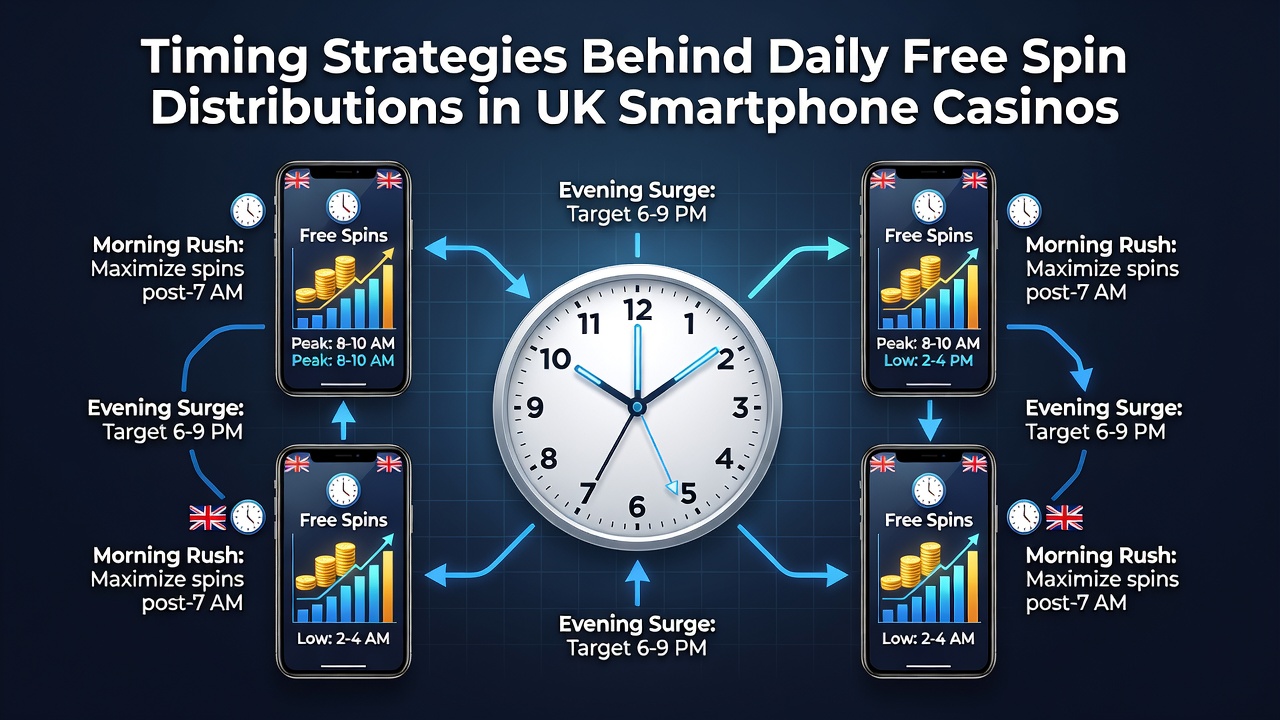
Operators of smartphone casino platforms in the United Kingdom rely on coordinated timing mechanisms to deliver daily complimentary spins, and these systems draw from user activity logs combined with server-side algorithms that adjust release windows throughout each calendar day. Research from the National Council on Problem Gambling indicates that many platforms concentrate initial distributions between 8 a.m. and 10 a.m. local time, since engagement data collected across multiple apps shows higher login rates during morning commutes and breakfast routines. Developers program these releases through automated scripts that reference historical patterns, yet they also incorporate real-time adjustments based on concurrent user sessions recorded in October 2026.
Core Elements of Scheduling Algorithms
Platform engineers construct scheduling frameworks around several data points, including previous spin redemption rates, device type distributions, and regional time zone clusters across England, Scotland, Wales, and Northern Ireland. A single central server may stagger notifications so that users in different geographic segments receive their allocations at staggered intervals rather than simultaneously, which prevents overload on backend systems while maintaining consistent delivery. Observers note that some applications further segment releases by player tenure, granting earlier access to longer-term accounts while newer profiles receive later slots within the same morning window.
Influence of User Behavior Data on Release Windows
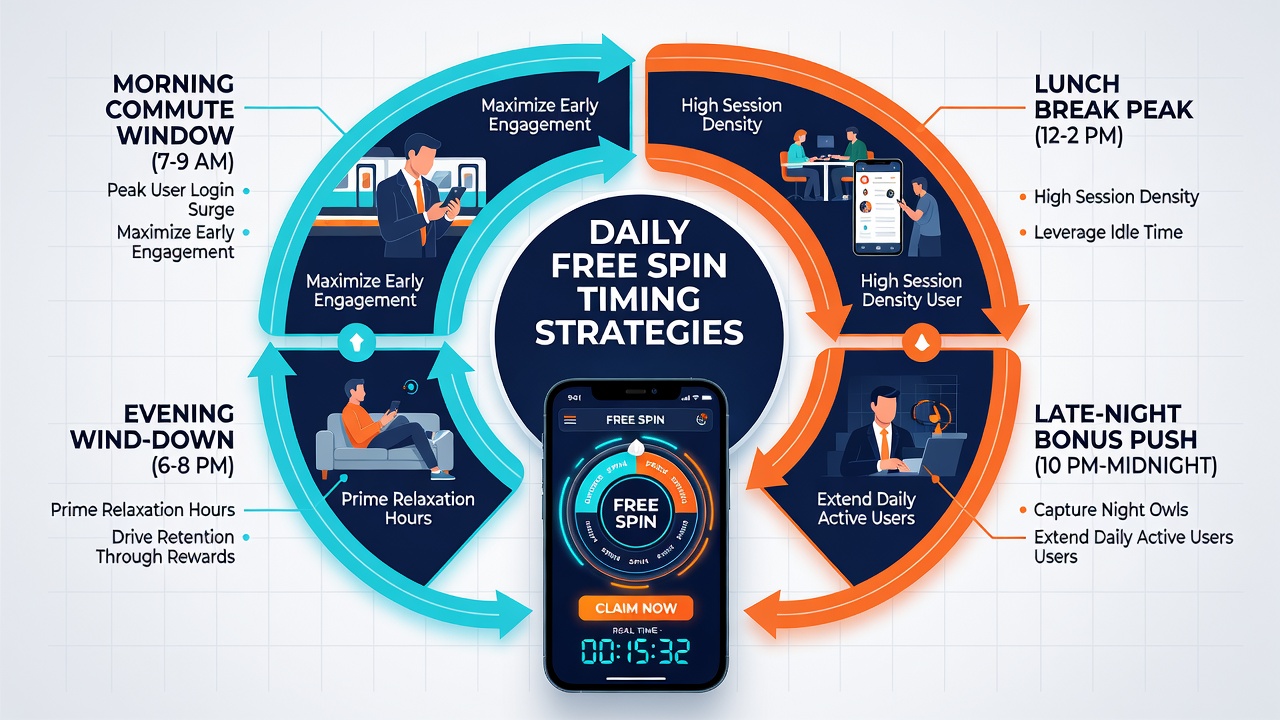
Analytics teams examine login timestamps and session durations to refine when complimentary spins appear in user interfaces, and studies from the Australian Gambling Research Centre have documented how platforms shift afternoon distributions to coincide with typical lunch breaks or early evening wind-down periods. These adjustments rely on aggregated statistics rather than individual tracking, although the underlying models incorporate machine learning layers that predict when a majority of active devices will next connect. When peak activity shifts, such as during holiday periods or major sporting events, operators recalibrate the timing parameters within hours to align with observed changes.
Technical Implementation Across Major Applications
Development teams integrate push notification services with the main game servers so that a scheduled release triggers both an in-app banner and an external alert at teh predetermined moment. One documented approach involves dividing the day into four primary blocks, each containing multiple micro-releases spaced fifteen to thirty minutes apart, which spreads server load and gives users repeated opportunities to engage without creating a single rush. Data compiled through October 2026 shows that applications using this segmented model recorded steadier daily active user figures compared with those that concentrated all releases in one or two blocks.
Cross-platform compatibility adds another layer of complexity, because iOS and Android devices handle background processes and notification queues differently. Engineers therefore maintain separate timing buffers for each operating system to ensure that the intended delivery moment remains consistent regardless of device. Industry reports from the European Gaming and Betting Association highlight that successful synchronization requires continuous monitoring of delivery success rates, with automated fallbacks that push delayed allocations to the next available slot if a device fails to acknowledge receipt within a set threshold.
Regulatory and Operational Considerations
Compliance requirements shape how operators document and communicate their distribution schedules, and platforms must maintain transparent records of when each allocation becomes available so that disputes can be resolved with timestamp evidence. External audits examine these logs to verify that releases adhere to advertised windows, while internal teams use the same data to fine-tune future cycles. The reality is that any change to a scheduled block triggers a cascade of updates across marketing materials, in-app calendars, and customer support scripts, all of which must stay synchronized to avoid conflicting information reaching users.
Conclusion
Daily complimentary spin distributions in UK smartphone casino applications depend on layered timing strategies that combine historical usage data, real-time server metrics, and device-specific adjustments. These frameworks continue to evolve as operators incorporate new observations from periods such as October 2026, allowing systems to maintain reliable delivery across varying user patterns and technical environments.